
Drawing Doors on Floor Plan (with examples)
Want to know how to draw a damn floor plan? Then I’m your gal…
Whether you’re hand drafting or using a computer software program such as AutoCAD, the concept is the same. For today, we will touch base on doors in the residential space. This article will talk about the types of doors you can use for your floor plan, the dimensions to draw them at, and how to spice things up!
- Some basics
Standard doors– 3′ W x 6′-8″ H x 1-1/2″ D (Thickness)
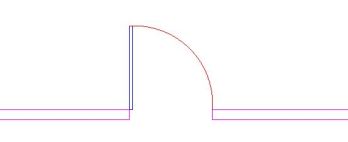
Entry doors– The entry can be the perfect place to display an eye-catching door design. *TIP* Curb appeal is everything!! If you were planning a simple pivot door, then consider adding transom windows (aka transom lights) on one or both sides of the door. If that doesn’t float your boat, try a transom above the door. This can add light into the entry while preserving the family’s privacy. To clarify, these windows are fixed, they don’t open.

Closet doors– A spacious bedroom closet will have (2)3′ W doors which often slide across each other. These are called bypass sliding doors and they can slide over each other to allow for full use of the closet. A small closet for storage or coats may have accordion folding doors, but these are considered low quality and *TIP* often break!! You’re better off designing with pocket sliding doors when possible, or standard pivot doors.



Patio/deck doors– The first thing to consider for these doors is safety. Are the homeowners going to be happy with a glass door, which can be an easy target for intruders? Or do they prefer a solid door with glass inserts? 9 times out of 10 they will tell you they want the glass doors, but it can be thoughtful of you to ask anyway. You have a few choices when it comes to patio doors. There’s the standard sliding glass doors which only allow half of the unit to be opened while the other half is fixed in place. These can be 5′,6′,8′, or 12′ wide standard units.

Spicy patio/deck doors– Let’s get crazy here and suggest accordion folding glass doors!!! I know I said not to use according folding doors before, but that was a whole different story. If you have the space for these, they can raise property value… by a lot. These doors are considered modern and innovative. They can be wildly expensive, but worth every penny. The concept is that while the doors are closed they look like a wall of fixed windows. The surprise comes when they are unlocked and spread apart to be folded against either wall. How exciting!

Office transition– Say you have an office on the main level and you would like to add doors for acoustics, but you don’t want to shut out your family. For this reasonable request, we can choose pocket sliding glass doors. Just make sure there is room on your floor plan for the door pockets and the wall isn’t load-bearing, and it’s done! Maybe the space doubles as a guest room, just add curtains or drapes later on in the design.

Garage doors– When designing the garage doors, just remember FENESTRATION! This means you need to ensure the arrangement of doors and windows looks cohesive and well put together on the exterior of the home. If you’ve added transom windows to your entry door, consider adding transoms to your garage door as well.
Touches like these will pay off in the long run, and if you’re just a student now, you’ll be sure to impress your professors!

 Nicole's Design Philosophy